


Register by calling us as (510) 843-7290 during business hours (Mon.-Sat., 12-6), or by visiting us in person at the museum shop.
Our website is the best way to stay abreast of all new workshops and updates, so bookmark this page and check back often!

Mentioning the Unmentionable: Victorian Undergarments
Just because they don't show doesn't mean they're not important! Download Registration Form | Register by phone: (510) 843-7290
WITH Catherine Scholar
Saturday, February 21, 2026 • 10 AM - 5 PM
Class Fee: $95
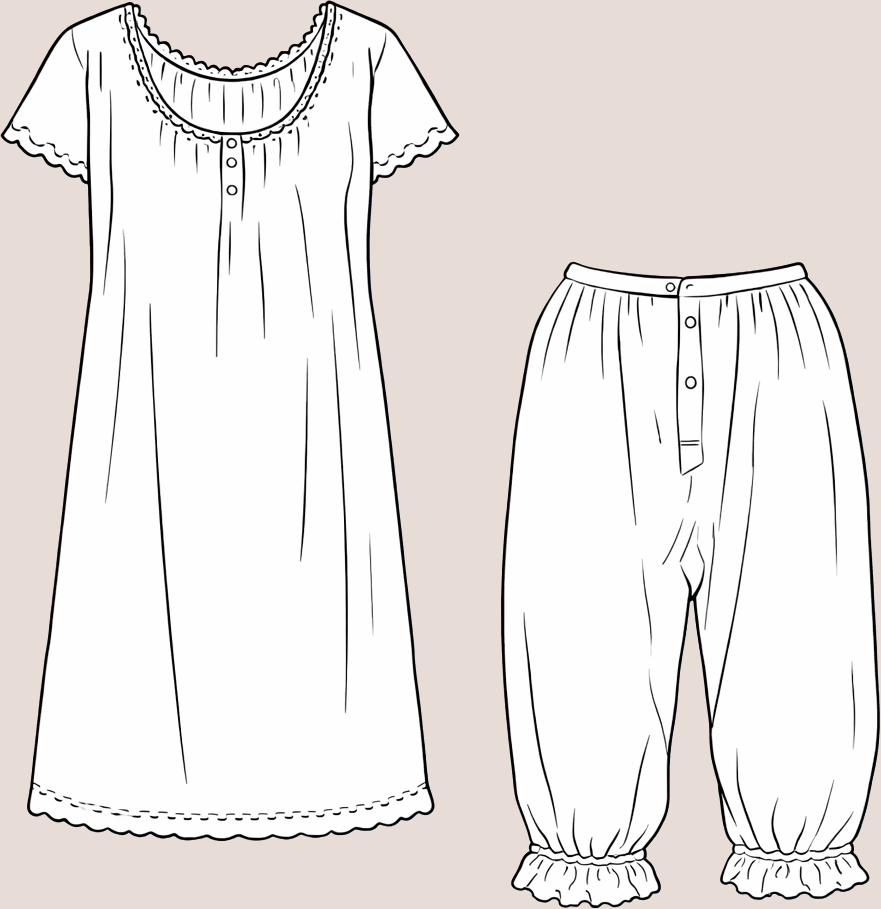
Come make the basics of a woman's 19th-century wardrobe: a chemise (shift) and a pair of drawers (bloomers, pantalettes). This class is aimed at beginning stitchers but is suitable for anyone who needs new undergarments. Start your Victorian outfit with the innermost layers and you'll be ready to make any gown afterward!
We will briefly review undergarment styles of the Victorian Era, and then, using patterns based on original garments, get to work on our own chemises and drawers. We will cover measurements, fitting, pattern adjustments, construction, and finishing details.
PREREQUISITES: This is intended for all levels of sewists. This is a great beginner project! All you need to know is how to operate your sewing machine.
BEGINNING EMBROIDERY: MANDALA
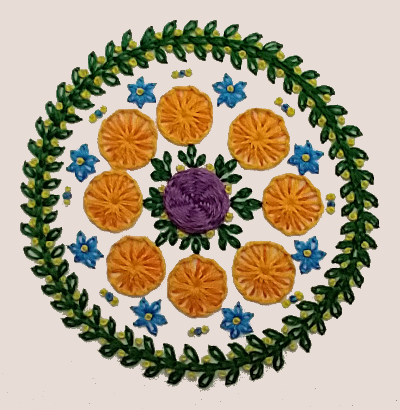
Mandalas are fascinating and ancient visual devices, and lend themselves so well to the textile arts. This class has proved a perennial favorite at Lacis Museum, and it's perfect for newcomers to embroidery! We will go over in detail how to thread a needle, tie a knot in the thread, and tie off on the back. We'll learn some basic stitches while making a beautiful flower mandala.
Download Registration Form | Register by phone: (510) 843-7290
WITH LAURA TANDESKE
Saturday, March 7, 2026 • 12:30 PM - 3:30 PM
Class Fee: $55

The New Woman: Walking Skirts 1890-1905
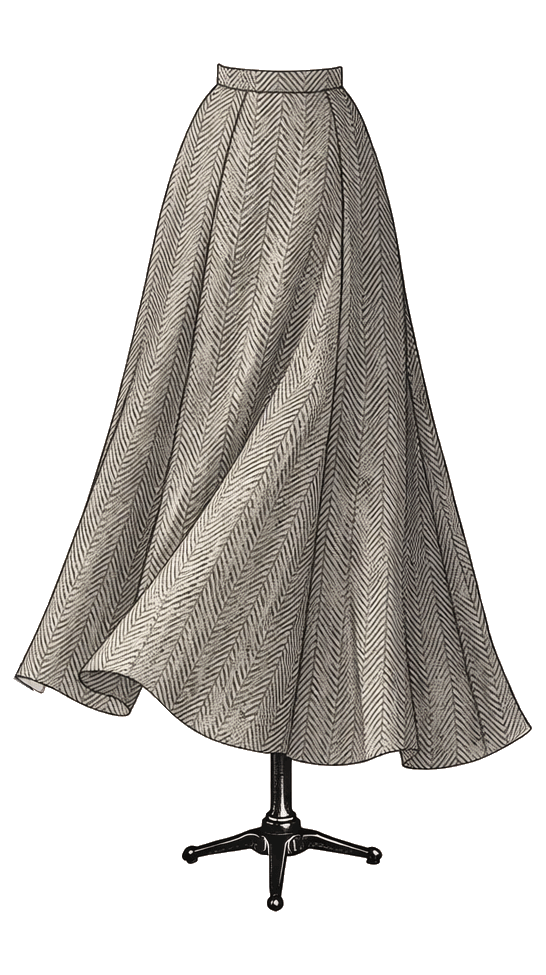
Come make a late Victorian wool walking skirt, using period materials and methods! These skirts are wonderful for museum docents, Victorian sports and casual wear, and history-bounding. PREREQUISITE: Intermediate to advanced sewing skills. You must have basic sewing skills, have made a garment from a pattern in the past, be able to follow pattern instructions, and have a portable sewing machine. This class requires materials, supplies, and preparation well in advance! Be sure to follow the detailed supply list guidelines and calendar below.
YOU'LL NEED THESE SUPPLIES... Wool fabric, light to medium weight, yardage as recommended in your pattern. Tweed, gabardine, suiting, flannel, stuff, worsted, etc. This class is based around teaching the maximum number of techniques, which requires a wool skirt. If you must use something else, Catherine recommends a midweight cotton twill, but can't promise you'll be happy with the outcome. Polished cotton for lining, same yardage. If you cannot find polished cotton, please use lightweight cotton twill, broadcloth, or poplin. 2 yards additional of either your fashion fabric or lining, for your hem facing. Tarlatan, regular weight (not heavy), five yards/meters. You can substitute cotton organdy. Tarlatan is the period accurate choice; organdy is dry-cleanable. Velveteen, 1.5 yards, to match or complement your fabric. This is hem binding and it will show a very small amount at the hem. Taffeta, ideally silk, mid or light weight, to match or complement your fabric, 1.5 yards. This is for an interior ruffle and it will not show from the outside. 1 yard elastic, 1/2" (12 mm) wide. 5 yards twill tape, 1/4" (6 mm) wide. All-purpose machine-sewing thread to match all fabrics. Plus anything else your pattern calls for, eg: closures, findings, etc.
Sewing machine with bobbins and needles for medium weight-fabric (size 80) Fabric and paper scissors, thread snips Pattern paper or newspaper, wrapping paper, old grocery bags... large pieces of paper you can use to make pattern pieces. You can tape together pieces if they're not large enough. Pins Fabric marking tools... tailor's chalk might be needed for some wool fabrics Ruler and/or measuring tape Hand-sewing tools, including needles, beeswax, thimble Fray Check or Fray Block ...AND A PATTERN FROM THE FOLLOWING LIST TRULY VICTORIAN 291: 1898 WALKING SKIRT. This is the pattern Catherine will be using for her samples. LAUGHING MOON 101: VICTORIAN WALKING SKIRT. Note that we won't be using the train. SCROOP 1701H: FANTAIL SKIRT, HISTORICAL VERSION. (Alternative source) UNDERGARMENTS & SHOES TO BE WORN WITH YOUR SKIRT: A shift A well-fitted corset Hip pad One or two petticoats ★ CLASS CALENDAR ★ WEEK ONE: DUE FEBRUARY 21 WEEK TWO: DUE FEBRUARY 28 WEEK THREE: DUE MARCH 7 WEEK FOUR: DUE 14 WEEK FIVE: DUE MARCH 5 Download Registration Form | Register by phone: (510) 843-7290
WITH CATHERINE SCHOLAR
Sat., Mar. 14, 2026 & Sat., Mar. 21 • 10 AM - 5 PM
Class Fee: $190
You will review styles of the 1890s, and then, armed with your patterns and the instructor's collection of period dressmaking manuals, make skirts with the same structure and swing as the originals.
The workshop includes assembling all our major pieces with the hem treatment complete. If time permits, you'll cover pockets, plackets, and waistbands. For maximum educational value, you will be using historically accurate materials wherever possible. Some of them are not washable or dry-cleanable, which means your wool walking skirt will need to be spot cleaned, as was done in-period. The instructor will give you cleanable alternatives, but she strongly recommends you use the period versions.
View Supply List, Pattern Requirements & Class Calendar
MATERIALS:
SEWING SUPPLIES:
These patterns have been carefully chosen because they have similar pattern pieces and come from reputable companies. Please do not substitute another pattern.
(Recommended for historial costume)
Wearing modern undergarments instead is absolutely fine; just be aware that a skirt made to wear with a corset will not fit properly, or at all, without one, and vice versa. So please make a decision and commit to it. Showing up at the second class session with a beautiful new corset will undo most of your previous fitting work.
• Purchase or order all supplies.
• Tape together or have printed any PDF patterns.
• Decide what undergarments you will be wearing with your walking skirt.
• Take your waist and hip measurements with the proper undergarments on, and the front length measurement (waist to floor) in the correct shoes and petticoats. You will want your finished skirt hem to be one or two inches above the ground, so get the waist-to-floor measurement and subtract the one or two inches.
• Use these measurements to trace or cut out your pattern in the correct size. If necessary, adjust your pattern length to the desired finished length of the skirt plus one inch (one-half inch seam allowance each top and bottom). Do not add additional hem allowance.
• Mock up skirt if desired and make any pattern adjustments. A muslin mockup can be turned into a great petticoat.
• Steam or steam-iron wool.
• Wash and iron lining.
• Cut all main skirt pieces in both fabric and lining. These are the square or trapezoidal pieces marked "front", "side", etc. Do not cut out any facing or stiffener pieces included in your pattern. You may cut out any waistbands, plackets, or pockets. Do not baste, flatline, seam, or assemble pieces.
(FOR FIRST CLASS SESSION)
• Cut hem facing into enough 7" wide bias strips to go around the hem, sew strips together to form one long strip, press one long edge to the wrong side 1/2".
• Cut hem binding of velveteen into enough 2.5" wide bias strips to go around the hem, sew strips together to form one long strip.
• Cut hem stiffener of bias tarlatan strips, 6.5" wide and long enough to go around your hem. Sew them into one long strip by overlapping the short ends. Do not sew "right sides together".
(FOR SECOND CLASS SESSION)
• Cut or tear taffeta into 7" wide strips, enough to total twice the hem circumference. Sew them together by the short ends to form a loop.
• Apply Fray Block or Fray Check to both long edges and let it dry, then pink them with pinking shears. Alternatively, make a tiny hem at each long edge.
• Sew gathering threads 1" from one long edge, or use your machine's ruffler attachment or gathering/shirring foot to gather the loop into half its circumference (to match the hem).

HOW TO EMBROIDER LETTERING
There are endless ways to embroider letters! Learn to embroider your favorite song lyrics, quotes, mantras — or any words that are important to you. Laura will share her time-tested tips and tricks how to make your letters look perfect! Download Registration Form | Register by phone: (510) 843-7290
WITH LAURA TANDESKE
Saturday, March 14, 2026 • 12:30 PM - 3:30 PM
Class Fee: $55
Please note that you'll get the most out of this class if you already have some experience under your belt, so if you are a brand-new beginner, we highly recommend taking the Beginning Embroidery: Mandala workshop prior to this one.
MATERIALS TO BRING/KIT: You can bring your own supplies, or an optional kit will be available for $5. It includes fabric, a needle, and thread. Hoops will be made available for your use during the class.

EMBROIDERING FREESTYLE FLOWERS
This popular class is always a joy for us to host, and it sells out year after year — after all, who doesn't love stitching flowers? Participants begin by learning foundational floral embroidery stitches such as lazy daisy and French knots. From there, the class becomes delightfully exploratory: students study a wide range of stitched samples and choose the techniques they'd like to try next. Demonstrations are tailored to those interests, making the session relaxed, creative, and free-form. Along the way, students are also introduced to the basics of embroidery design, gaining confidence in how to plan and compose their own floral pieces. Download Registration Form | Register by phone: (510) 843-7290
WITH LAURA TANDESKE
Saturday, March 21, 2026 • 12:30 PM - 3:30 PM
Class Fee: $55

Again, please note that you'll get the most out of this class if you already have some experience under your belt, so if you are a brand-new beginner, we highly recommend taking the Beginning Embroidery: Mandala workshop prior to this one.
MATERIALS TO BRING/KIT: You can bring your own supplies, or an optional kit will be available for $5. It includes fabric, a needle, and thread. Hoops will be made available for your use during the class.

HOW TO EMBROIDER ON CLOTHES
Embroidering on clothes is Laura's specialty! Maybe you have a pair of jeans with an unsightly stain you'd like to conceal...? Let's cover that stain! A plain tee you're just tired of? Let's revitalize it! Download Registration Form | Register by phone: (510) 843-7290
WITH LAURA TANDESKE
Saturday, April 18, 2026 • 12:30 PM - 3:30 PM
Class Fee: $55
Learn all the tips and tricks how to embroider on your clothes to make one-of-a-kind pieces, and express yourself. Laura will share design and transfer tips as well as recommend stitches that are hardy and will withstand washing.
Bring any clothes you would like to embroider. Our recommendation is to select clothes that do not stretch. Jeans or cotton shirts are solid choices. Examples of things that would be difficult are t-shirts, sweat shirts, sweaters... in other words, anything that's stretchy.
Please do note that you'll get the most out of this class if you already have some experience under your belt, so if you are a brand-new beginner, we highly recommend taking a class like the Beginning Embroidery: Mandala workshop prior to this one.
MATERIALS TO BRING/KIT: You can bring your own supplies, or an optional kit will be available for $5. It includes fabric, a needle, and thread. Hoops will be made available for your use during the class.

CLONES IRISH CROCHET
WITH MAIRE TREANOR
Wednesday - Saturday, April 22 - 25, 2026 • 10 AM - 5 PM
Class Fee: $100 per day OR $300.00 for all 4 days! Nonrefundable Deposit*: $65


In this unique workshop, Máire creates a welcoming and supportive environment where students are encouraged to work at their own pace and receive individual guidance and encouragement. Students should have a basic knowledge of crochet stitches, including chain stitch, single and double crochet.
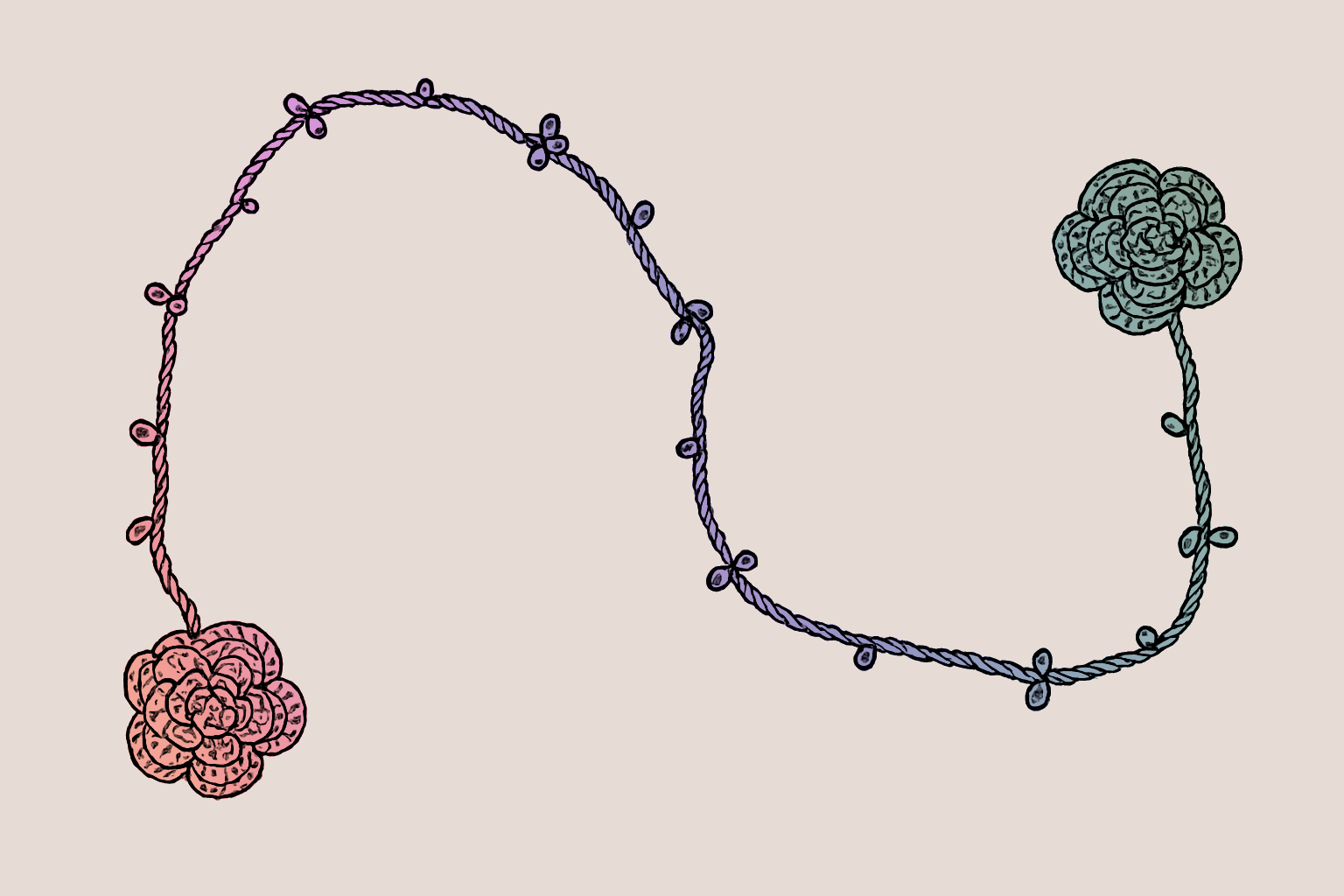
Over the first two days, beginners will start with a jewelry piece, learning the foundational stitches of Clones lace. They will then progress to classic Irish Crochet motifs such as wild roses, shamrocks, vine leaves, and grapes. They will also learn the distinctive Clones knot filling stitch and edging. Returning students are welcome to bring an ongoing project for advice and assistance.
Together, students will explore how to read antique Irish Crochet patterns and international crochet charts from Ukraine, Russia, and Japan. Over the course of this class, students will have the opportunity to examine a selection of gorgeous antique and vintage pieces in Irish Crochet.


*Deposit is refunded if the class must be cancelled in its entirety
Download Registration Form | Register by phone: (510) 843-7290

ALL ABOUT BULLIONS
Bullion knots add texture, movement, and elegance to embroidery, but mastering them can be tricky. In this focused three-hour class, students will learn how to create smooth, well-balanced bullions with confidence. We'll cover proper needle handling, tension control, and common pitfalls, along with practical tips and tricks that make all the difference. Perfect for anyone who wants to refine their technique and expand their stitch vocabulary. Download Registration Form | Register by phone: (510) 843-7290
WITH LAURA TANDESKE
Saturday, April 25, 2026 • 12:30 PM - 3:30 PM
Class Fee: $55
Please do note that you'll get the most out of this class if you already have some experience under your belt, so if you are a brand-new beginner, we highly recommend taking a class like the Beginning Embroidery: Mandala workshop prior to this one.
MATERIALS TO BRING/KIT: You can bring your own supplies, or an optional kit will be available for $5. It includes fabric, a needle, and thread. Hoops will be made available for your use during the class.

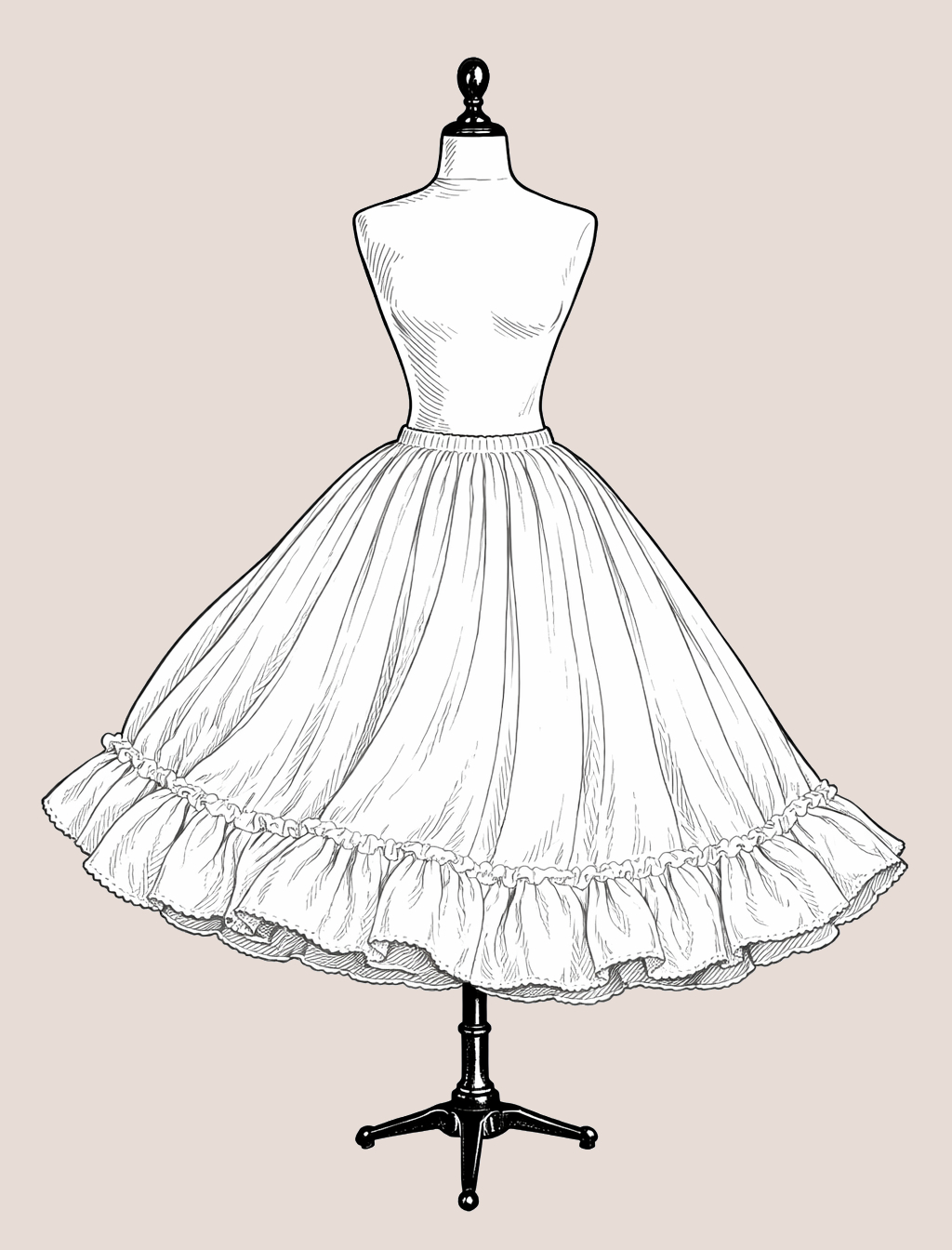
Pure Fluff: A mid-Victorian hand-sewn petticoat
Who doesn't love a fluffy petticoat?? MATERIALS TO BRING: Lightweight woven cotton fabric: lawn, broadcloth, muslin, etc. Victorian undergarments were nearly always white, although you, can of course, opt for any color you like. The amount depends on the width of the fabric, your height, and the desired length of your petticoat. If the fabric is 54" wide or more, buy three times your waist to floor measurement and round up to the nearest yard. If the fabric is narrower, buy four times and round up. Trim as desired (circumference of petticoat is around 5 yards) Ribbon or twill tape to match fabric: 2 yards Thread to match fabric ADDITIONAL SUPPLIES: Optional: Sewing machine with bobbins and needles for light weight-fabric (size 70-80) Fabric scissors and thread snips Pins Fabric marking pen Measuring tape Hand-sewing tools including needles, beeswax, thimble Bodkin or safety pin Download Registration Form | Register by phone: (510) 843-7290
WITH Catherine Scholar
Saturday, May 30, 2026 • 10 AM - 5 PM
Class Fee: $95
Come make a mid-Victorian petticoat, meant to go over a hoopskirt or replace it entirely. In addition, this petticoat shortened makes a great under-hoop modesty skirt, a Lolita underskirt or, in black, a fun goth garment! Together we will go through the basics of hand-sewing and some important period construction details, like balanced hems and gauged gathers. You can, of course, use a sewing machine, if you prefer!
We will briefly review undergarment styles of the Victorian Era, and then, get to work on our own petticoats. We will cover measurements, fitting, construction, and finishing details.
This class is aimed at beginning stitchers, but is suitable for anyone who needs new undergarments. Start your Victorian outfit with the innermost layers and you'll be ready to make any gown afterward!
(Most items are available at Lacis)

BALLET/BRIDAL BODICE COURSE
Download Registration Form | Register by phone: (510) 843-7290
WITH ABRA BERMAN
Mon.-Fri, June 8-12, 2026 • 10 AM - 4 PM
Class Fee: $480
 Ballet bodices originated in the early 19th century as a performance version of a Victorian bodice. They are identified by a sweetheart neckline, a pointed basque waist in the front that transitions to the natural waist in the back. Generally, there are five to seven panels with extra seam allowance at the side seams for easy alterations. Piping often finishes the top and bottom edges. A strong separating zipper finishes the back closure.
In this class, we will complete a fully fashioned ballet or bridal bodice. Boning is placed between the layers of fabric for stability and support. Hand sewing secures and finishes seam allowances. Embellishments can be added for depth and sparkle. A lovely lining is added if making the bridal bodice. The finished bodice can be added to the classical Russian tutu or the romantic tutu!
This project can also be created and worn as a modern bridal or evening bodice, separate or attached to a skirt.
ABOUT THE INSTRUCTOR: Abra Berman joined the Lacis staff this past spring. She is an award-winning Bay Area theatrical costume designer and bridal designer who pursued a ballet career in her youth. Ballet costumes were what inspired her to pursue a career in theatrical costume design.
Ballet dresses and bridal gowns intersect in their silhouettes, construction, fabric and embellishment choices. Join her in this class that will take you through the process of designing and building a classic ballet/bridal bodice from fit to finish.
Steps will include fit and proportion analysis, fabric selection, boning application tips and tricks, embellishment approaches and closure direction. At the end of this week-long class, you will have a fully fashioned bodice, suitable for a ballet costume or a traditional bridal/formalwear gown!
This class will be part one of a two-part series. The second class installment will be focused on designing and building a classical Russian tutu or a romantic tutu. You will be up to your eyeballs in tulle and netting!
The classes can be registered for as a one-part installation or as a series.

Classical Russian (Pancake) Tutu
The Russian or pancake tutu is an iteration of the eighteenth century pannier gown only much shorter! This classic tutu silhouette showed off the complexity of lightening quick choreography and the breathtakingly elegant lines of a prima ballerina. Layers of tulle are supported by tiers of netting on a graduated scale, attached to a fitted panty and cummerbund.
Download Registration Form | Register by phone: (510) 843-7290
WITH ABRA BERMAN
Mon.-Fri, June 22-26, 2026 • 10 AM - 4 PM
Class Fee: $480

We will start by creating the panty as the foundation, creating a stitching map. After all the cutting and gathering of dozens of yards of tulle and netting, be prepared to be up to your ears in the fluffy stuff as it gets tamed and applied to the panty. Finishing touches include adding an internal hoop, connecting the layers with special stitches, and finishing it up with a sturdy zipper closure.
This classical Russian tutu can be worn for rehearsal, or attached to a ballet bodice. Be Odette, Paquita, or the Blue Fairy! Your inner ballerina will pirouette with delight.
MATERIALS:
• 10 yards polyester tulle
• 10 yards polyester netting
• 4 yards 1/2" rigilene (closet match to tulle color)
• One yard fashion fabric
• One yard cotton muslin
• 1-2 yards 1" wide grosgrain ribbon (for waistband)
• (x2) #3 hooks and eyes
• One 6" closed metal zipper
• Matching thread
• Hand sewing needles
ABOUT THE INSTRUCTOR: Abra Berman joined the Lacis staff this past spring. She is an award-winning Bay Area theatrical costume designer and bridal designer who pursued a ballet career in her youth. Ballet costumes were what inspired her to pursue a career in theatrical costume design.

ROMANTIC TUTU
Download Registration Form | Register by phone: (510) 843-7290
WITH ABRA BERMAN
Sat, June 20, 2026 • 10 AM - 4 PM
Class Fee: $96

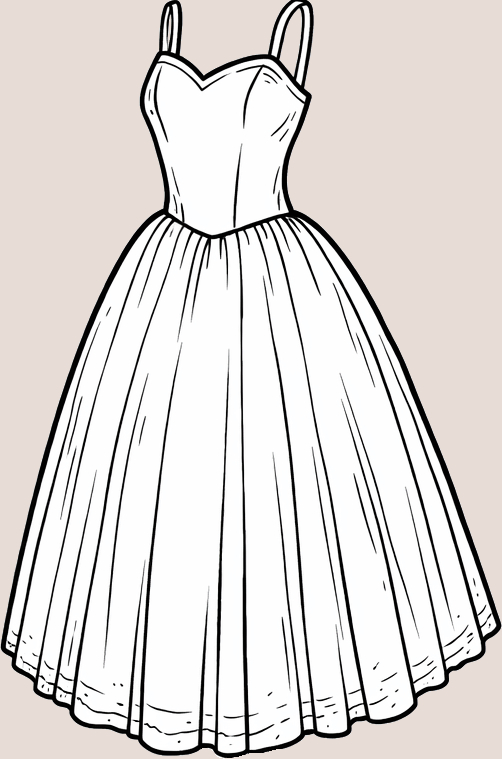 The romantic tutu was a performance-appropriate ballet skirt inspired by the Romantic- and early Victorian-era silhouette. They were referred to as "romantic" tutus due to the romantic ballets being choreographed and performed at the time. Sylphs, fairies, swans and delicate blooms were created in ethereal layers of tulle and net, allowing the ballerina to appear to be floating through the air.
Be prepared to be enveloped in swaths of tulle, gently gathering the fragile layers to attach to a dreamy satin or grosgrain ribbon.
This one-day class will culminate in a romantic or practice tutu suitable for bridal gowns, dress up, or your floating flight of fashionable fancy!
MATERIALS:
• 10 yards polyester tulle
• 1-2 yards 1" wide grosgrain ribbon (for waistband)
• (4x) #3 hooks and eyes
• Matching thread
• Hand sewing needles
ABOUT THE INSTRUCTOR: Abra Berman joined the Lacis staff this past spring. She is an award-winning Bay Area theatrical costume designer and bridal designer who pursued a ballet career in her youth. Ballet costumes were what inspired her to pursue a career in theatrical costume design.
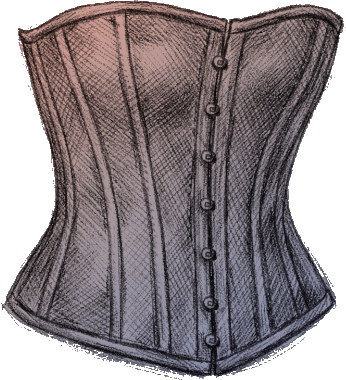
A Perfect Shape: Victorian Corset Workshop
Time to shape up! YOU'LL NEED THESE SUPPLIES... Fabric: cotton coutil or heavy twill. No stretch or spandex content! 1 yard is plenty for most sizes Corset lacing: 6 yards 1-2 packages extra-wide bias binding to match fabric German plastic boning/artificial whalebone: 6-14 yards, or buy metal boning at Lacis during class Size 00 grommets Metal corset busk, which you can purchase at Lacis during class after we fit mock-ups Thread to match fabric Lace/trim as desired ...THIS PATTERN: SEWING SUPPLIES: Sewing machine with bobbins and needles for medium weight-fabric (size 80) Scissors: different ones for fabric, paper, thread snips, and craft scissors, if using German plastic boning Pattern paper for tracing your pattern (optional); Catherine uses medical exam table paper from Amazon Hand sewing needles including needles, beeswax, thimble Pins Fabric marking pen Ruler and/or measuring tape Bodkin or safety pin Tracing wheel/dressmaker's carbon paper Scotch tape AND UNDER YOUR CORSET: Download Registration Form | Register by phone: (510) 843-7290
WITH Catherine Scholar
Sat., July 11, 2026 & Sat., July 18 • 10 AM - 5 PM
Class Fee: $190
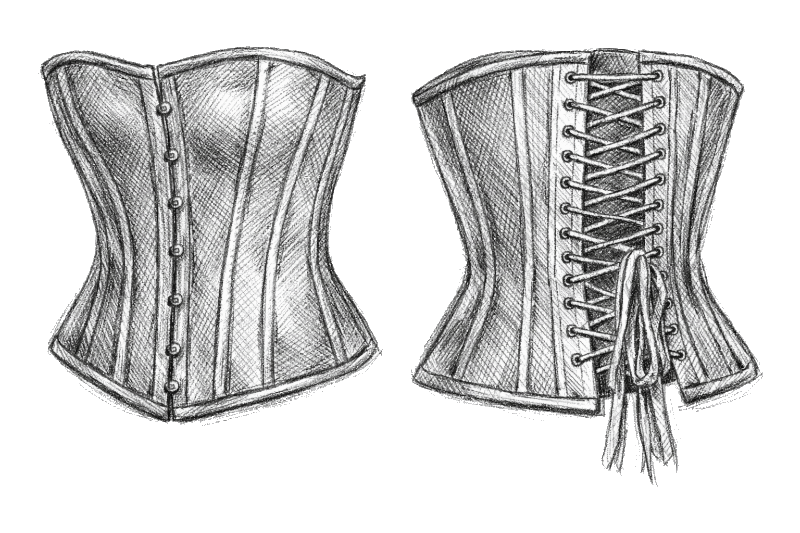
The corset gets a bad rap, but it was the accepted support garment for centuries... and our foremothers weren't stupid! Together, we will create mid-bust corsets suitable for nearly all of the Victorian era, and for modern bridal/formal/costume use as well. We will cover measurements, sizing, alterations, construction, and how to build some adjustability into our corsets to deal with life's little fluctuations.
PREREQUISITES: This workshop is intended for intermediate to advanced sewers. You must have basic sewing skills, have made a garment from a pattern in the past and be able to follow your pattern instructions.
View Materials, Supplies, and Pattern List
MATERIALS REQUIRED:
(Some of which is available from Lacis)
Truly Victorian 110: 1880 Late Victorian Corset Corset.
If necessary, please have the pattern printed and/or taped together before the first class.
• You'll need a chemise or other garment to be worn under the corset. A tank top will do fine.
• A bra: please wear a well-fitted, supportive, non-padded bra to both class sessions.

A PERFECT FIT: CONSTRUCTING A VICTORIAN BODICE
Do you look at images of Victorian ladies and wish you could dress just like them? Now you can! Come make a late-Victorian bodice from 1830-1899. You can wear it to Victorian balls, teas, SASS events, or any occasion you desire. You can even use it as a base for a modern or fantasy gown! YOU'LL NEED THESE SUPPLIES... Fashion fabric as listed on pattern. Remember to buy enough to make matching skirts if you want them. Lining fabric: NOT modern slippery lining fabrics! 100% cotton sateen, lightweight twill, polished cotton or broadcloth. Same yardage as bodice. Muslin (or old sheets, etc) for a mockup: 2 yards or more Bone casing: 6 yards. You can use seam binding, Prussian tape, ribbon, bias tape, lining fabric, etc. Boning: five yards artificial whalebone, or you can purchase metal boning at Lacis during class Thread to match all fabrics Closures as listed in pattern: buttons, hooks/eyes, hook and eye tape, or eyelets for lacing 2 yards 3/4" - 1" petersham ribbon Large hook and eye to fit petersham (or two dress-size hooks and eyes) Any desired trimming Optional: 12 yards seam binding for Hong-Kong style seam finish SEWING SUPPLIES: Sewing machine, with power cord and foot pedal plus bobbins and extra needles. Optional piping, zipper, shirring and gathering attachments if needed. Ruler (clear if possible) Fabric marking device /carbon paper and tracing wheel; chalk or fabric marking pen that shows on your lining fabric Dressmaking pins Pencil/pen Measuring tape Scissors: different ones for fabric, paper, thread snips, and craft scissors, if using German plastic boning Hand sewing needles, plus beeswax and thimble if desired Any other tools you find helpful: seam ripper, highlighter, French curve, etc. Optional but strongly recommended: tracing paper for pattern pieces. Optional: Pleating board or tools Optional: Serger/overlocker ...AND A PATTERN FROM THE FOLLOWING LIST TV 440: 1859 Pagoda Bodice TV 442: 1860s Ballgown Bodice TV 443: 1861 Dress Bodice TV 446: 1860s Darted Bodice TV 447: 1863 Sheer Dress TV 449: 1861 Revere Bodice TV 453: 1861 Raphael Evening Dress TV 454: 1844 German Day Dresses TV 455: 1830s Romantic Day Dress TV456: 1856 Gathered Dress TV 400: 1871 Day Bodice TV 402: 1872 Carriage Bodice TV 403: 1872 Vested Bodice TV 404: 1870 Senora Bodice TV 405: 1872 Vest Basque TV 416: 1875 Ball Gown Basque TV 420: 1879 Cuirass Bodice TV 422: 1881 Dinner Bodice TV 423: 1877 Two-Tone Bodice TV 428: 1880 Jacket Bodice TV 460: 1885 Cuirass Bodice TV 462: 1883 Tail Bodice TV 463: 1884 French Vest Bodice TV 464: 1883 Riding Habit Bodice TV 466: 1887 Alexandra Bodice TV 490: 1892 Ball Gown Bodice TV 493: 1896 Plain Bodice TV 496: 1896 Ripple Jacket UNDERPINNINGS TO BE WORN WITH BODICE Download Registration Form | Register by phone: (510) 843-7290
Return to the top
WITH Catherine Scholar
Sat., Sept. 19, 2026 & Sat., Sept. 26 • 10 AM - 5 PM
Class Fee: $190
We'll start with a Truly Victorian bodice pattern of your choosing, and augment it with authentic 19th century dressmaking techniques to make a custom gown just for you. We'll cover measurements, pattern adjustments, fitting, period sewing techniques, trimming, boning, hand finishing, and much more.
In the first session, you will cover a brief overview of the styles worn in the era. You will take measurements, trace off the correct pattern pieces, and then make and fit mock-ups.
In the second session, you will then move on to cutting and constructing your bodice and adding boning. We'll finish out by concentrating on closures and facings.
PREREQUISITES: Students must have made at least one dress or blouse from a pattern and know how to use a sewing machine.
PREPARATION: Prepare all fabrics by washing or steaming, if necessary. Do not wash muslin. Press all fabrics. Tape together print-at-home patterns if needed. Read pattern instructions.
View Materials, Supplies, and Pattern List
MATERIALS REQUIRED:
(Some of which is available from Lacis)
All are from Truly Victorian, and some may still be available at Lacis, so check in!
(Recommended historically accurate undergarments)
These include a well-fitted corset, chemise, petticoats, and hoop, bum pad or bustle if you will be wearing one. The petticoats, hoops, and bustle/pad affect the fit of your bodice, so please bring them if you will be wearing them.
Note that it is perfectly fine not to wear historical undergarments, but you must have all the undergarments you plan to wear at the first class and every class thereafter. Switching the undergarments will undo all your careful fitting work.

|
© 2021 Lacis Museum of Lace & Textiles |
2982 Adeline St., Berkeley, CA 94703 |
